
All about animal osteopathy
What is animal osteopathy?
Animal osteopathy is a gentle, non-invasive manual therapy that complements veterinary medicine. It aims to restore tissue mobility (muscles, joints, organs, fascia…) and stimulate the body’s self-healing abilities.
Every animal — whether a companion or an athlete — may accumulate tension and imbalances throughout its life. These restrictions can cause pain, lameness, behavioral changes, or decreased performance.
Osteopathic treatment helps to:
-
Relieve musculoskeletal pain
-
Improve comfort and mobility
-
Prevent certain pathologies
-
Optimize physical performance
When should you consult an animal osteopath?
Osteopathy is both preventive and curative. There’s no need to wait for a serious symptom to contact an animal osteopath.

1
For prevention:
-
1 to 4 sessions per year, depending on the animal’s age, activity level, or medical history
-
To support growth in young animals
-
Before or after a sports season or a major lifestyle change
2
In case of warning signs or disorders:
-
Lameness, stiffness, loss of balance
-
Difficulty moving, jumping, or lying down
-
Decreased sports performance
-
Unusual behavior (aggression, excessive licking, isolation…)
-
Following trauma or a fall
3
Post-surgery or chronic conditions:
-
Osteoarthritis, dysplasia, tendinitis
-
Recovery after surgery or heavy medical treatment
-
To improve quality of life and reduce compensations elsewhere in the body
Techniques Used in Animal Osteopathy
Depending on the animal’s needs, age, body type, and history, multiple techniques may be combined in a session.
In case of doubt about your animal’s health, always consult a veterinarian first to rule out any medical condition that may require specific treatment.
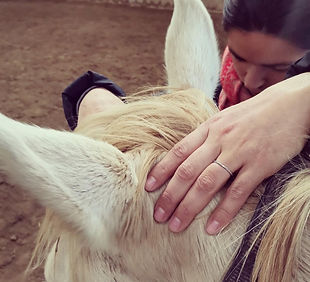
Craniosacral Techniques
These work on the central nervous system by releasing tensions between the skull and sacrum. They improve overall balance and have a deep effect on postural, emotional, and digestive issues.

Fascial and Soft Tissue Techniques
Fasciae are thin membranes that wrap around muscles, organs, and bones. Shock or stress can reduce their elasticity. These techniques aim to restore flexibility to these tissues, supporting fluid circulation and self-regulation in the body.

Joint Mobilization
Gentle or more structural manipulations (like the classic “thrust” or “crack”) help restore mobility to restricted joints. They relieve pain, reduce muscle tension, and rebalance posture.

Stretching
Targeted stretches improve joint range of motion, especially for arthritic, senior, or athletic animals. Stretching promotes recovery and limits muscle stiffness after effort.

Visceral Techniques
Since internal organs influence posture and muscle tone, these techniques restore visceral mobility and help relieve back or digestive pain. They harmonize the nervous, muscular, and organ systems.
